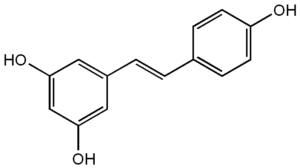
What is Resveratrol?
Resveratrol is a remarkable polyphenol found in abundance in the skins of red grapes, in red wine, and in select berries. Its natural potency as an antioxidant has earned it a place of distinction in the realm of skincare products.
The Benefits of Resveratrol for Skin
Resveratrol offers numerous advantages for the skin. As a potent antioxidant, it shields the skin from the harm caused by damaging free radicals. This, in turn, can lessen the visibility of fine lines, wrinkles, and age spots, giving the skin a youthful and glowing appearance.
Resveratrol also has the remarkable ability to soothe inflamed skin, making it a valuable ingredient for individuals with sensitive skin. Its anti-inflammatory properties work to calm redness and swelling, providing much-needed relief and promoting a more even complexion.
Resveratrol has a remarkable effect on the skin’s appearance. This remarkable compound has been observed to boost the production of collagen and elastin, two proteins that are vital in keeping the skin’s firmness and elasticity. With the stimulation of their production, the signs of aging can be diminished, leading to a more youthful and taut appearance.
Resveratrol and Skin Protection
Moreover, resveratrol also has anti-inflammatory properties, making it a valuable ally for those with sensitive skin. By reducing inflammation, it can soothe irritated skin and calm redness and swelling. This remarkable compound also stimulates the production of collagen and elastin in the skin, two essential proteins that help maintain the skin’s firmness and elasticity. This stimulation can aid in reducing the signs of aging and leave the skin looking firm and youthful.
And it doesn’t stop there! Resveratrol can also protect the skin from the damaging effects of the sun. It provides a protective barrier against UV radiation, helping to reduce the risk of sunburn and skin damage.
By including resveratrol in your skincare regime, you take steps to guard your skin from the damaging impacts of the sun. This, in turn, lessens the probability of developing skin cancer and other skin-related afflictions.
The Best Forms of Resveratrol for Skin Care
As one seeks to incorporate the benefits of resveratrol into one’s skincare regimen, it is crucial to select the appropriate form of this compound. Resveratrol may be procured in various forms such as creams, serums, or even supplements.
For the fullest potential of resveratrol’s effects, it’s advisable to opt for a topical delivery system, such as a cream or serum, for it to be absorbed directly into the skin and grant the maximum benefits and outcomes.
Resveratrol Supplements
For those seeking to enhance their intake of resveratrol, supplements are readily available. These supplements come in the form of capsules, which can be consumed orally, providing an alternative method for increasing one’s intake of this potent compound.
Supplements can be a wonderful way to promote overall well-being, as they deliver a potent dose of resveratrol that can positively impact the skin from within.
Resveratrol by Renue by Science
Renue by Science is a brand that prides itself on delivering skincare products of the utmost excellence. Their products are the result of tireless work by a dedicated team of experts, who utilize only the finest ingredients to produce skincare products that are both effective and safe.
Renue by Science offers a range of products, including creams, serums, and supplements that have been specifically crafted to deliver the full benefits of resveratrol to the skin. From reducing the signs of aging, such as fine lines and wrinkles, to safeguarding the skin from the damaging effects of the sun, these products have been designed with your skin’s well-being in mind and aim to provide the finest results possible. Check out a limited time discount offered by Renue by Science.
It is important to note that in addition to utilizing resveratrol for skincare purposes, maintaining a balanced and healthy lifestyle is crucial for overall health and well-being. This includes consuming a nutritious diet, engaging in regular physical activity, effectively managing stress, getting adequate rest, and avoiding substances that may harm the body such as tobacco and excessive alcohol consumption. Furthermore, incorporating resveratrol-rich foods such as grapes, red wine, berries, and peanuts into one’s diet can offer additional health benefits to the body.